
How to Choose the Best Winter Rug for Your Horse
Getting your winter rugging right is a bit of a balancing act. You want your horse warm enough to be warm and comfortable during stormy weather, without over-rugging when the sun comes out.
In this guide, we’ll take you through the different types of Caribu winter rugs, from heavy-duty turnout rugs to lightweight waterproof rugs, and exactly when to use them.
We’ve also included a handy horse rugging temperature guide to help remove the guesswork from your routine.
Caribu winter rugs: Comparing denier, fills and styles
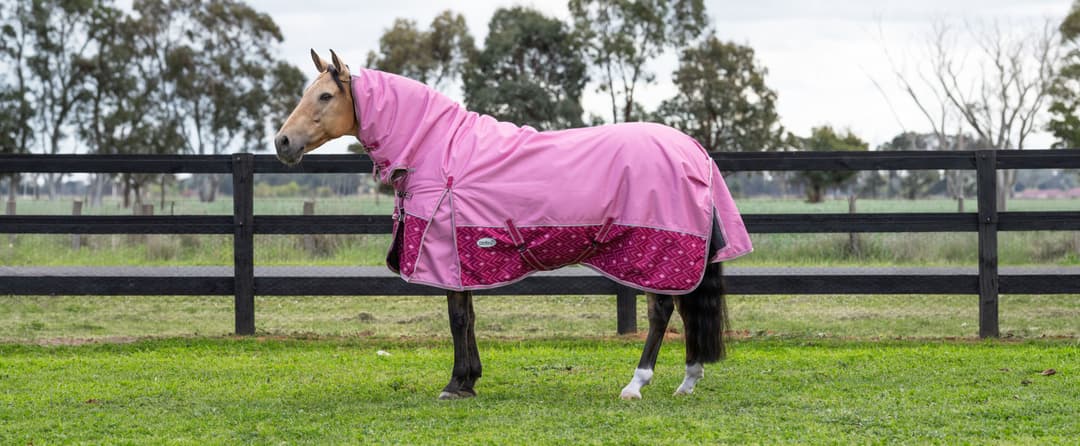
Caribu offers three distinct winter rug ranges to ensure every horse is protected – regardless of their environment or activity level. Between the different styles and weights, you'll find everything your horse needs to stay comfortable.
| Alpine Rugs | Colorado Rugs | Eclipse Rugs | |
| Description | A durable, everyday option with a range of fills, great for reliable winter protection. | A premium and tough winter turnout for extra cold climates. Ideal for horses prone to tearing their rugs. | A tough, breathable and waterproof rug that’s easy to layer on rainy days. |
| Denier | 1200 | 1680 | 1200 |
| Fill options | 100g, 200g, 250g, 300g | 250g, 300g | No fill |
| Styles | Combo, Detach-a-Neck, Scrunch Neck, XL, Mini | Combo, Detach-a-Neck | Detach-a-Neck, Combo, Mini |
| Shop Alpine | Shop Colorado | Shop Eclipse |
Still deciphering which style your horse needs? Check out our guide to understanding GSM, grams and deniers.
Temperature guide for winter rugging
While this table acts as a general guide, remember that every horse is different. Some horses will feel the cold more than others. Always consider your horse’s individual needs and other weather factors (like wind chill) when choosing how to rug your horse.
| Conditions & Temperature | Stabled/clipped | Stabled/unclipped | Turned out/unclipped | Turned out/clipped |
|---|---|---|---|---|
| 15°C & Above | Zero fill (0g) or summer sheet | Nothing | Nothing | Nothing |
| 10°C - 15°C | From zero fill (0g) or summer sheet to light fill (up to 100g) | Nothing or zero fill (0g) or summersheet | Nothing | Nothing to light fill (up to 100g) |
| 5°C - 10°C | Medium fill (up to 250g) | Nothing or zero fill (0g) or summersheet to light fill (150g) | Nothing or zero fill (0g) or summersheet to light fill (150g) | Light fill (up to 150g) plus neck cover |
| 0°C - 5°C | Heavy fill rug (up to 300g) | Medium fill rug (up to 200g) | Nothing or light/medium fill (150g to 250g) | Medium fill rug (up to 200g) with neck cover |
| -10°C - 0°C | Heavy fill (300g-400g) with neck cover | Medium fill (200g-300g) with liner | Light or medium fill (150g-300g) with neck cover | Heavy fill (300g – 400g) with neck cover plus liner |
| Below -10°C | Heavy fill (300g-500g) with neck cover plus liner | Medium or heavy fill (300g-400g) with neck cover | Heavy fill (300g-500g) plus neck cover | Heavy fill (300g-500g) |
Mane rub and winter rugging
Dealing with mane rubs is a common winter headache, usually caused by the constant tension of a rug pulling as your horse grazes. To help with this, we’ve introduced the Alpine Detach-a-Neck Scrunch Neck rug!
The "scrunch" design is built to move with your horse, relieving that pressure on the crest to help prevent hair loss. It features a 1200D ripstop outer and a 100g fill, which is a great middle-ground weight for Australian conditions. Because the neck is detachable, it’s also easy to pull off on those warmer days while still keeping their mane protected when the rug is on.
Layering your rugs correctly
Proper rug layering is essential to your horse’s comfort. You’ll have to assess the material of each layer, regularly check in with your horse, and beware of over-rugging.
There are a few types of under rugs: wool, cotton and polar fleece. There are pros and cons to each. But usually, it’s a matter of simply adapting to the climate day-to-day.
Checking your horse’s temperature
The Australian climate is unpredictable! Knowing your environment and horse’s comfort levels will make you feel more confident in your horse rugging decisions.
One thing to note is that horses don’t lose body heat as rapidly as people do. Even when we feel chilly, your horse may be alright. And remember – it’s much easier to warm a horse up than it is to cool it down.
To be sure they’re comfortable, you should regularly check your horse's temperature – at least twice a day. Place your hand under the horse’s rug behind the withers. If they’re cold and shivering, consider adding another rug. If it’s damp, they are likely too warm and sweating, and you should peel off a layer.
Keeping your elderly horse warm
Horses expend a significant amount of energy simply staying warm in winter, often using up to 80% of their feed energy just to maintain their core temperature. For an older horse, this physical demand is much higher, making it harder for them to stay warm without extra assistance.
That extra assistance and warmth is important for their comfort. Keeping an older horse warm helps significantly with joint stiffness and arthritis that often flare up in the cold.
If your senior is struggling to hold their condition, combining a warmer rug with more forage helps provide the extra calories they need to generate internal heat. By keeping them well-rugged, you prevent energy from being wasted on heat loss, allowing those calories to be used for weight gain and exercise instead.
Ready to find your perfect winter rug? Shop the full Caribu range – for everything from combos and detach-a-necks, to rainsheets and polar fleeces.